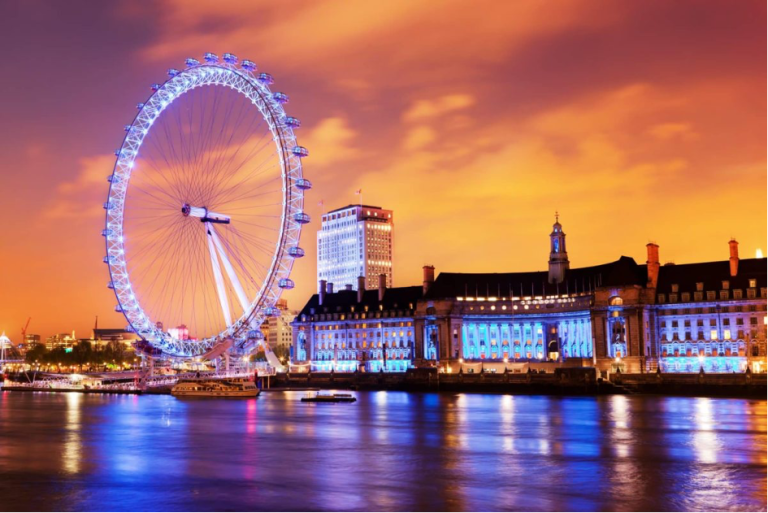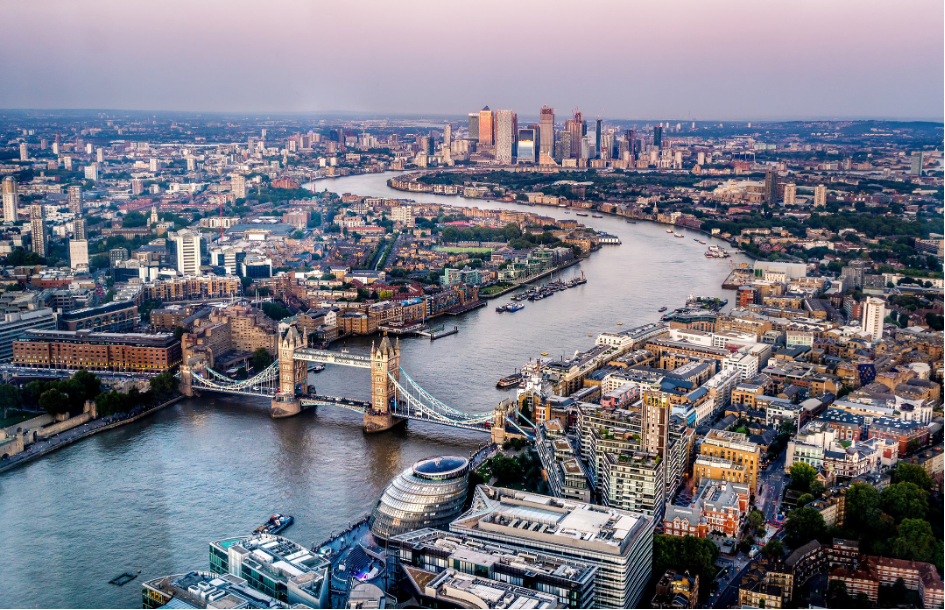
The River Thames flows through London, England. It starts in the countryside and winds its way through the city. Many boats sail on the river, from small rowing boats to big ships. People love to walk along the riverbanks and see the famous landmarks like the Tower Bridge and the London Eye.
Animals also live in and around the River Thames. Ducks and swans swim in the water, and sometimes you can spot a playful seal. If you’re lucky, you might even see a dolphin!
People use the River Thames for lots of things. They fish in it, take boat tours, and even go kayaking. Sometimes, there are special events on the river, like boat races or fireworks displays.
The River Thames is important to London’s history and culture. People have lived by the river for thousands of years, and it’s still a busy and exciting place today.
There are many bridges over the River Thames. One famous bridge is Tower Bridge. It can open in the middle to let big boats pass. Another bridge is London Bridge. It is very old and has a lot of history. The Millennium Bridge is for people to walk across. It is very modern and made of metal. All these bridges help people travel across the river. They are important and also beautiful. Next time you visit London, try to see these wonderful bridges!
Comprehension Questions:
1. What flows through London, England?
a) The River Seine
b) The River Thames
c) The Nile River
d) The Amazon River
2. Which famous landmarks can you see along the River Thames?
a) Eiffel Tower
b) Big Ben
c) The London Eye
d) Statue of Liberty
3. What animals can you find in and around the River Thames?
a) Elephants
b) Tigers
c) Ducks and swans
d) Penguins
4. What do people do on the River Thames?
a) Play soccer
b) Skateboard
c) Fish, take boat tours, and kayak
d) Ride bicycles
5. Why is the River Thames important to London?
a) It’s just a small stream
b) It’s a big river
c) It’s part of the city’s history and culture
d) It’s not important at all
6. How long have people lived by the River Thames?
a) 100 years
b) 1,000 years
c) 10,000 years
d) 100,000 years